 BS
BS
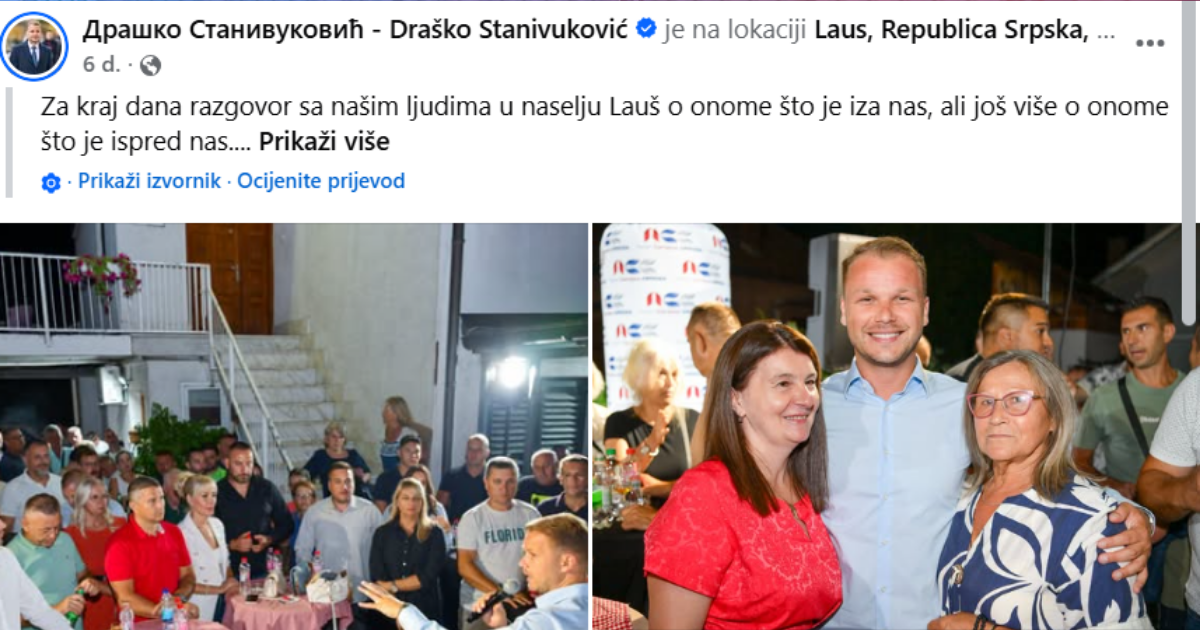
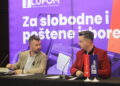
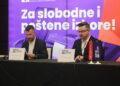
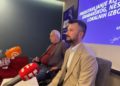
In mid-August, several photographs of a gathering with citizens in the Lauš neighbourhood were published on Draško Stanivuković’s official Facebook page, accompanied by the following description:
“To end the day, a conversation with our people in the Lauš neighbourhood about what is behind us, but even more so about what lies ahead. Every conversation with citizens is an opportunity to hear what they think, what matters to them and what we can do together to make our Lauš and our Banja Luka an even better place to live. Politics makes sense only when it is among the people and based on their needs and proposals. That is why meetings like these are so valuable to us. Thank you to our hosts, Draško and Saša, for their hospitality and for the opportunity to spend the evening together. Let’s move forward together.”
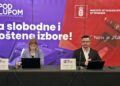
The “Pod Lupom” Coalition reported the Safe Srpska Movement and Draško Stanivuković over a possible violation of the Election Law in relation to premature election campaigning. The Election Law of Bosnia and Herzegovina defines premature campaigning as “any form of campaign activity undertaken by political entities in the period from the calling of elections until the official start of the election campaign.” During this period, election campaigning is prohibited in electronic, online and print media, through social media, or through any form of public campaign advertising. The “Pod Lupom” Coalition additionally pointed out that “the photographs clearly show the identifying features of the political entity, which further contain elements of election campaigning prohibited by law during this period.”
The Central Election Commission requested a response from the PSS Coalition, as well as individual statements from its candidates Draško Stanivuković, Nebojša Drinić, Bojan Kresojević and Dragan Milanović. The party rejected the complaint as unfounded, explaining that party members had been invited to the event and that it was therefore natural for some of them to host the gathering, since the party does not have sufficient funds to maintain offices in every local community. The party also stated that nothing said by Draško Stanivuković constituted a violation of the law.
In his response, Stanivuković said that he did not know what he was being accused of and that his statements had been taken out of context. Nebojša Drinić, a candidate for the Republika Srpska National Assembly, likewise stated that he did not know what he was being accused of, arguing that the issues discussed were legitimate topics for discussion within the party’s local branch. The other two PSS candidates for the Republika Srpska National Assembly, Dragan Milanović and Bojan Kresojević, also rejected the allegations contained in the complaint.
The Central Election Commission rejected the explanations and, at its session on September 10, imposed the following fines: 11,000 KM on the Draško Stanivuković – Safe Srpska Coalition, to be paid equally by PDP and NPSP; 5,500 KM on Draško Stanivuković; 3,500 KM on Nebojša Drinić; and 3,000 KM on Bojan Kresojević. The total fine in this case amounts to 22,000 KM.
The Central Election Commission noted that the event had been reported by two organisations, the “Pod Lupom” Coalition and Transparency International Bosnia and Herzegovina, and that the proceedings had been consolidated. In its reasoning, the Commission stated that some of the posts, including messages such as “together with you, we are building a secure future…” and “politics that serves the people…”, unambiguously constituted violations of the law concerning premature election campaigning. The CEC also stated that the content of the cited post “unambiguously contains a political message.”
When determining the fines for the PSS and candidates Draško Stanivuković and Nebojša Drinić, the Commission took into account the fact that they had already been sanctioned during the current election cycle for premature election campaigning — the PSS and Stanivuković on several occasions, and Nebojša Drinić once — as well as the fact that they had failed to comply with CEC decisions concerning the removal of the content for which they had been sanctioned.